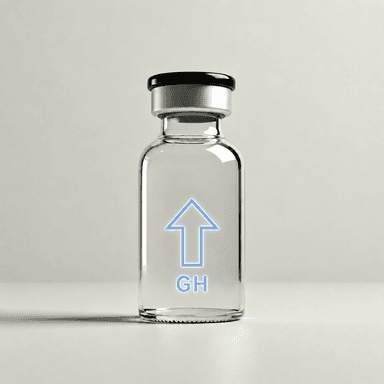
HGH-Frag 176-191
GHHGH Fragment 176-191 is a modified fragment of the C-terminus of human growth hormone, studied specifically for its proposed fat-metabolism effects in isolation from the broader growth-promoting activity of full-length HGH.


Related to AOD-9604 — not the same product
HGH Fragment 176-191 is the natural C-terminal fragment of human growth hormone that AOD-9604 was specifically engineered from (a modified, more stable version of the same region). Much of the relevant literature studies them together or treats AOD-9604 as the more stable, longer-acting variant of this same fragment — see AOD-9604 for the fuller evidence picture, including the discontinued Phase IIb obesity program.
Benefits
Reported to retain GH's lipolytic (fat-mobilizing) activity without the hyperglycemic or growth-promoting effects of full-length GH, acting via the beta-3 adrenergic receptor pathway.
Animal data — 14-day treatment: both full hGH and the AOD9604 fragment reduced body weight and body fat in normal obese mice, and both increased activity of the target receptor in fat tissue. In a separate group of mice bred without that receptor, long-term treatment with either compound failed to produce the same body-weight change, though short-term fat-burning still occurred — suggesting the fragment's longer-term benefit depends on that receptor pathway being intact, not a wholly separate mechanism. Heffernan et al., Endocrinology, 2001
Dosage
No human dosing trial specific to the unmodified 176-191 fragment (as distinct from AOD-9604) was independently verified in this pass — see AOD-9604's page for the human trial data that exists for the modified/stabilized version of this fragment.
Side Effects
No dedicated human safety data specific to the unmodified fragment was found — AOD-9604's development history (a large confirmatory trial that failed to show reliable efficacy, leading to program discontinuation in 2007) is the most relevant safety/efficacy context available, given the close relationship between the two.
What is HGH Fragment 176-191 researched for?+
Fat metabolism (lipolysis), isolated from the growth-promoting effects of full-length growth hormone.
Is HGH Frag 176-191 FDA-approved?+
No, it is not an approved drug and is sold for research use only.
Does HGH Frag raise IGF-1 like full HGH does?+
It is designed to isolate the fat-metabolism region of the HGH molecule specifically, distinct from the IGF-1-driving growth effects of the full-length hormone.
Does the raw HGH Fragment 176-191 have its own research?+
Barely any — almost everything attributed to it specifically is actually extrapolated from AOD-9604 studies rather than research on the raw fragment itself. Worth knowing if you're choosing between the two based on evidence.
Should I expect it to work like CJC-1295 or Ipamorelin?+
No — different mechanism and a much weaker evidence base. The GH secretagogues elsewhere on this site work through your pituitary's actual growth hormone pathway with real clinical dosing data behind them; this fragment is a narrower, more speculative bet on one specific piece of the GH molecule.
Need something specific, or placing a wholesale order? Message us on Telegram — fastest way to reach us.